Category: Uncategorized

  • People do understand!!

    When We Talk, People Understand

    Many times we assume people won’t understand us.

    We hold back our feelings out of anger, hesitation, embarrassment or fear.

    But the truth is simple — when we actually talk, people usually do understand.

    Most misunderstandings don’t come from bad intentions; they come from silence.

    One honest conversation can clear confusion, soften hearts, and make things easier than we imagined.

    Communication isn’t just talking — it’s allowing someone to see our side, our feelings, our reality.

    And more often than not,

    a simple conversation can fix what silence complicates.

  • What People Say About You Doesn’t Define You

    In life, there will always be hundreds of people who have something to say about you — and not all of it will be kind. The truth is, you can’t control what others choose to think or speak. And you shouldn’t try to.

    What you can control is how much space you allow those voices to take in your mind.

    If someone is genuinely important to you, talk to them. Clarify things once. Maybe twice, if the situation repeats. But beyond that, stop chasing explanations. Constantly needing to justify yourself is not a sign of love or respect — it’s a sign of a weak relationship.

    People who truly value you will not make you defend yourself over and over again.

    Let your peace come from within, not from others opinion.

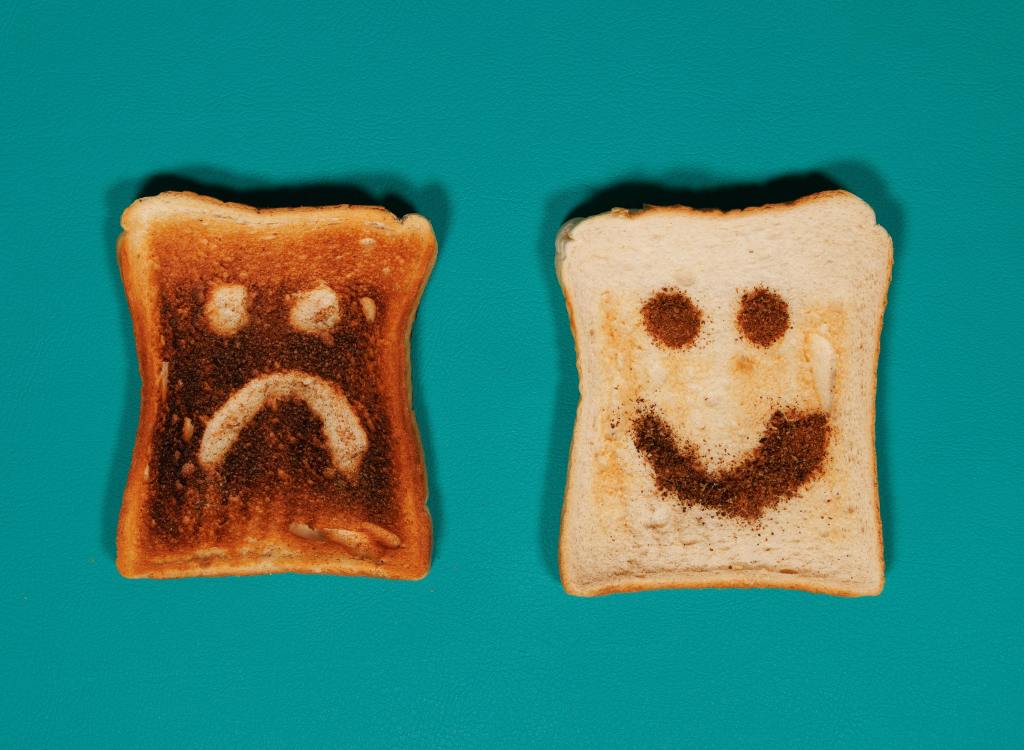
  • The Burnt Toast Theory: Finding Good in the Imperfect

    The Burnt Toast Theory: Finding Good in the Imperfect

    Have you ever experienced a moment when things didn’t go as planned? Maybe you spilled coffee on your clothes, missed an important deadline—or literally burnt your toast.

    The Burnt Toast Theory suggests that even in those imperfect, frustrating moments, there might be something unexpectedly good hidden.


    What Is the Burnt Toast Theory?

    The idea behind the Burnt Toast Theory is simple: when something goes wrong—like burning your toast—try to see it as an opportunity. Maybe it delays you just enough to avoid a traffic jam or an accident. The theory reminds us that setbacks, big or small, might be protecting us from something worse or leading us toward something better.

    This mindset encourages us to be more creative, adaptable, and resilient in the face of adversity.


    How Can We Apply the Theory?

    Here are a few practical ways to use the Burnt Toast Theory in everyday life:

    1. Reframe negative thoughts
      When things go wrong, look for the silver lining. Ask yourself:
      “What can I learn from this?” or “Is there a hidden advantage here?”
    2. Be creative
      Unexpected problems can lead to unexpected solutions. Think outside the box. Sometimes the best ideas come from the most inconvenient moments.
    3. Practice resilience
      Life has ups and downs. By learning to bounce back from setbacks, you build emotional strength and develop a more optimistic outlook.

    Final Thought

    The next time life “burns your toast,” pause and ask: Could this be happening for a reason? You might just find that the imperfect moments hold something surprisingly good.

  • Chasing Everything, Finding Nothing

    I always use to think that I cannot understand people like if a person is lying on my face, if a person is genuinely caring or very good at faking, what people say do they actually mean it?

    Then it later hit me, when people are not true to their own selves how am I suppose to know such people. We keep on losing ourselves may be in the rat race, peer pressure, pride or ego, unnecessary material things, etc. So much importance given to such unimportant things in life that we forget what actually matters and since we are blindly rushing just because everyone else is we don’t know what exactly we are and what do we need and what is it that makes us genuinely happy.

  • ​Information Overload

    Photo by Photo By: Kaboompics.com on Pexels.com


    In today’s digital ​world, we’re constantly bombarded with information from various sources. Social media, news outlets, blogs, and ​so many other sources all contribute to the overwhelming amount of data we’re exposed to daily.

    This information overload can lead to:

    1. Decreased productivity: With so much information competing for our attention, it’s challenging to focus on important tasks.

    2. Increased stress: The pressure to stay informed and up-to-date can be ​challenging and create unsaid pressure.

    3. Decreased attention span: The constant stream of information can lead to a decrease in our ability to focus​, especially because of short reads.

    4. Information fatigue: Too much information can definitely lead to mental exhaustion .

    Lets try this and hope it helps:

    1. Set boundaries: Limit your online time and prioritize tasks.

    2. Use filters: Utilize tools and features that help you filter out irrelevant information​ or keep the notifications off.

    3. Practice self-care: Take breaks and engage in activities that promote mental well-being​, especially those that doesn’t involve devices, internet, etc