Author: Shruthi Acharya

  • People do understand!!

    When We Talk, People Understand

    Many times we assume people won’t understand us.

    We hold back our feelings out of anger, hesitation, embarrassment or fear.

    But the truth is simple — when we actually talk, people usually do understand.

    Most misunderstandings don’t come from bad intentions; they come from silence.

    One honest conversation can clear confusion, soften hearts, and make things easier than we imagined.

    Communication isn’t just talking — it’s allowing someone to see our side, our feelings, our reality.

    And more often than not,

    a simple conversation can fix what silence complicates.

  • What People Say About You Doesn’t Define You

    In life, there will always be hundreds of people who have something to say about you — and not all of it will be kind. The truth is, you can’t control what others choose to think or speak. And you shouldn’t try to.

    What you can control is how much space you allow those voices to take in your mind.

    If someone is genuinely important to you, talk to them. Clarify things once. Maybe twice, if the situation repeats. But beyond that, stop chasing explanations. Constantly needing to justify yourself is not a sign of love or respect — it’s a sign of a weak relationship.

    People who truly value you will not make you defend yourself over and over again.

    Let your peace come from within, not from others opinion.

  • Protect Your Peace — Not Every Battle Deserves Your Energy !

    There comes a point when you realize that peace is more valuable than being right.

    Not every argument needs your participation, and not every misunderstanding deserves your explanation.

    Sometimes, people won’t understand your perspective — not because you’re wrong, but because their experiences don’t allow them to see things the way you do. Everyone’s understanding of emotions, empathy, and even basic psychology is shaped by what they’ve lived through. So expecting others to “get it” every time can be exhausting and often pointless.

    Protecting your peace means knowing when to walk away. It means recognizing that silence isn’t weakness. You don’t need to fight every battle, explain every choice, or prove every point.

    The truth is, inner calm grows when you stop trying to fix how others think and instead focus on keeping your own space grounded.

    So next time you feel the urge to argue or justify yourself, pause and ask — is this worth my peace?

    Because sometimes, the most powerful response is simply staying at peace with yourself.

  • If You Never Start, You’ll Never Get Better

    Many people hold back because they feel they aren’t good enough — too shy to speak, too inexperienced to create, or too afraid to fail. The truth is, maybe you aren’t good enough right now. But that’s exactly why you need to start.

    No one becomes skilled, confident, or successful by waiting to feel ready. Every expert you admire was once a beginner who stumbled, hesitated, and doubted themselves — but they started. Starting is not a sign of perfection; it’s a decision to grow.

    Progress doesn’t come from thinking about it, it comes from doing — even if the first few tries are messy. You learn by showing up, by trying again, by adjusting. Confidence is built through repetition.

    So stop waiting for the perfect moment or perfect version of yourself. Begin where you are, with what you have. Because if you never start, you’ll never know how good you could become.

  • When Work Feels Too Much

    Lately, I’ve been feeling overwhelmed — not in a loud, obvious way, but in a quiet, persistent kind of way.
    Work keeps piling on, my mind won’t stop racing, and I catch myself overthinking even the smallest things.
    The result? Constant headaches, scattered thoughts, and this unshakable heaviness.

    It’s not just the workload — it’s the pressure to always “be on,” to always perform, to respond quickly, smile politely, and keep it all together. And truthfully, it’s exhausting.


    What I’m Realising

    • Not every thought deserves space.
      Overthinking solves nothing. I’m learning to let some thoughts go.
    • Tiny breaks help more than I thought.
      A 10-minutes walk, a cup of tea, or just silence — it matters.
    • Being tired doesn’t mean I’m weak.
      It just means I’m human, and I need rest too.

    Final Thought

    If you’re in the same place, here’s a gentle reminder:
    You’re allowed to slow down. You don’t have to carry it all at once.
    Even in the middle of stress — breathe. That’s still progress !

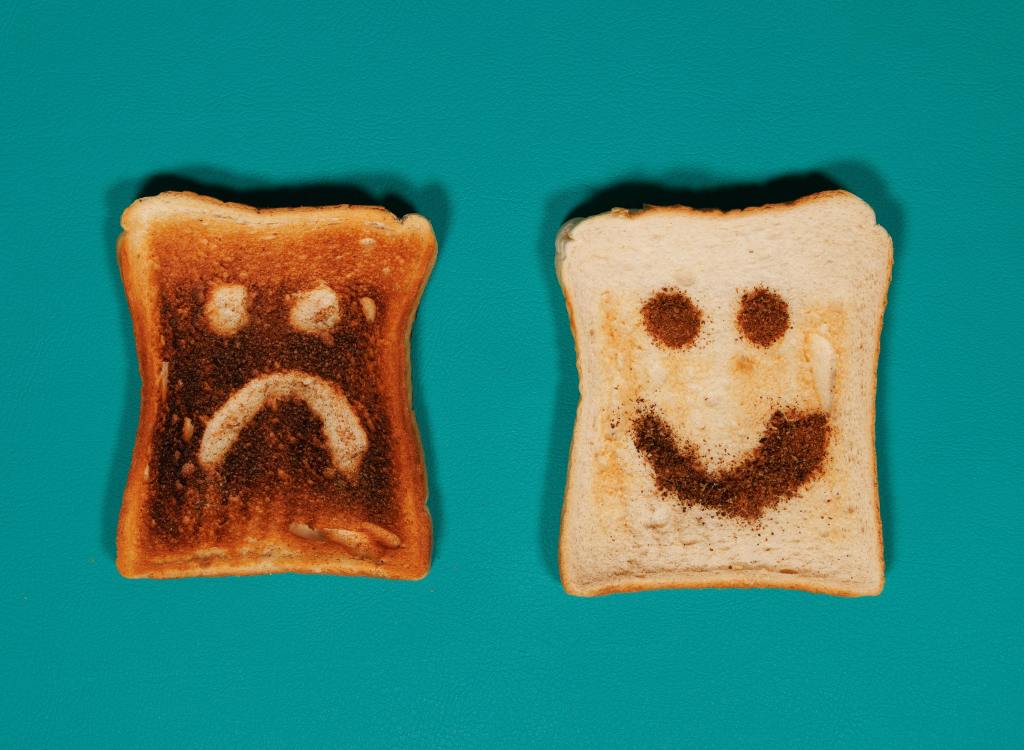
  • The Burnt Toast Theory: Finding Good in the Imperfect

    The Burnt Toast Theory: Finding Good in the Imperfect

    Have you ever experienced a moment when things didn’t go as planned? Maybe you spilled coffee on your clothes, missed an important deadline—or literally burnt your toast.

    The Burnt Toast Theory suggests that even in those imperfect, frustrating moments, there might be something unexpectedly good hidden.


    What Is the Burnt Toast Theory?

    The idea behind the Burnt Toast Theory is simple: when something goes wrong—like burning your toast—try to see it as an opportunity. Maybe it delays you just enough to avoid a traffic jam or an accident. The theory reminds us that setbacks, big or small, might be protecting us from something worse or leading us toward something better.

    This mindset encourages us to be more creative, adaptable, and resilient in the face of adversity.


    How Can We Apply the Theory?

    Here are a few practical ways to use the Burnt Toast Theory in everyday life:

    1. Reframe negative thoughts
      When things go wrong, look for the silver lining. Ask yourself:
      “What can I learn from this?” or “Is there a hidden advantage here?”
    2. Be creative
      Unexpected problems can lead to unexpected solutions. Think outside the box. Sometimes the best ideas come from the most inconvenient moments.
    3. Practice resilience
      Life has ups and downs. By learning to bounce back from setbacks, you build emotional strength and develop a more optimistic outlook.

    Final Thought

    The next time life “burns your toast,” pause and ask: Could this be happening for a reason? You might just find that the imperfect moments hold something surprisingly good.

  • Don’t Let Negative Situations Or People Define You !

    We all have been there, in tough and difficult situations, dealing with toxic and negative people. The good part is, we are not defined by the people around us or the situations that are thrown our way. We are defined by how we behave and respond in such situations and with such people. Life’s challenges are inevitable, but it’s how we handle them that truly shapes us.
    Remember, your peace and positivity are in your hands—don’t let anyone or anything steal that from you.

  • Chasing Everything, Finding Nothing

    I always use to think that I cannot understand people like if a person is lying on my face, if a person is genuinely caring or very good at faking, what people say do they actually mean it?

    Then it later hit me, when people are not true to their own selves how am I suppose to know such people. We keep on losing ourselves may be in the rat race, peer pressure, pride or ego, unnecessary material things, etc. So much importance given to such unimportant things in life that we forget what actually matters and since we are blindly rushing just because everyone else is we don’t know what exactly we are and what do we need and what is it that makes us genuinely happy.

  • Love – Good OR Bad

    Photo by KoolShooters on Pexels.com

    With absolute honesty, I don’t understand love, what is it, which feeling is exactly termed as love. Is it when you can’t stop thinking about the other person, is it when you forget your own self just for the happiness of the other person, is it when you put all the needs of other person above yourself?

    Love is a beautiful feeling, one feels so pure so happy so close to something divine, magical yet there are feelings of disrespect, taken for granted, etc too. So when is it that love is love and when is it that love stops being love.


  • Anything free loses it